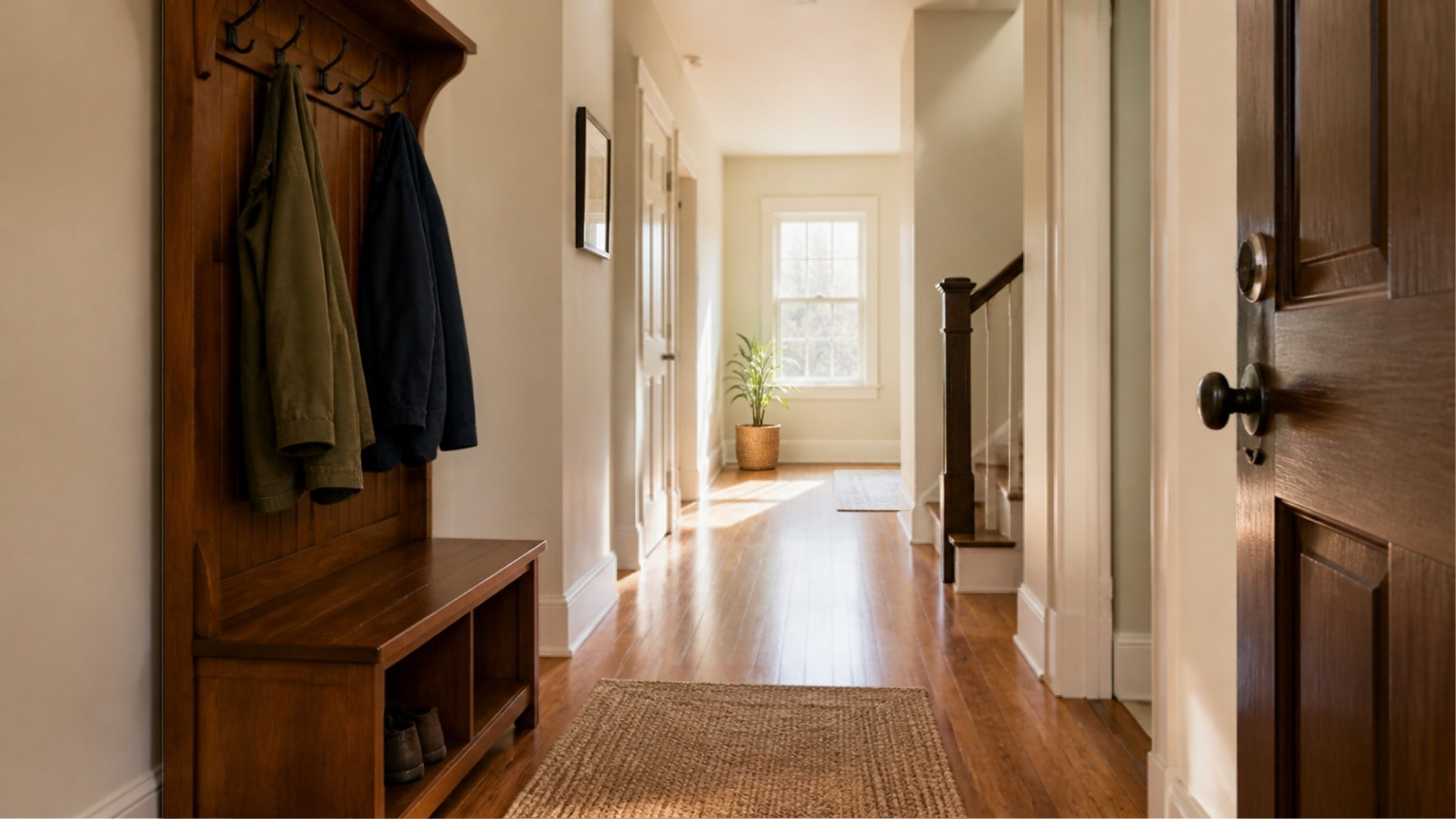
Home / Entryway
Room guide
Entryway organization
Entryway organization for the first four feet of the house, mudrooms included: shoes, coats, bags and keys. The measurement that rules a piece out before width does, and what to read on the listing before you order.
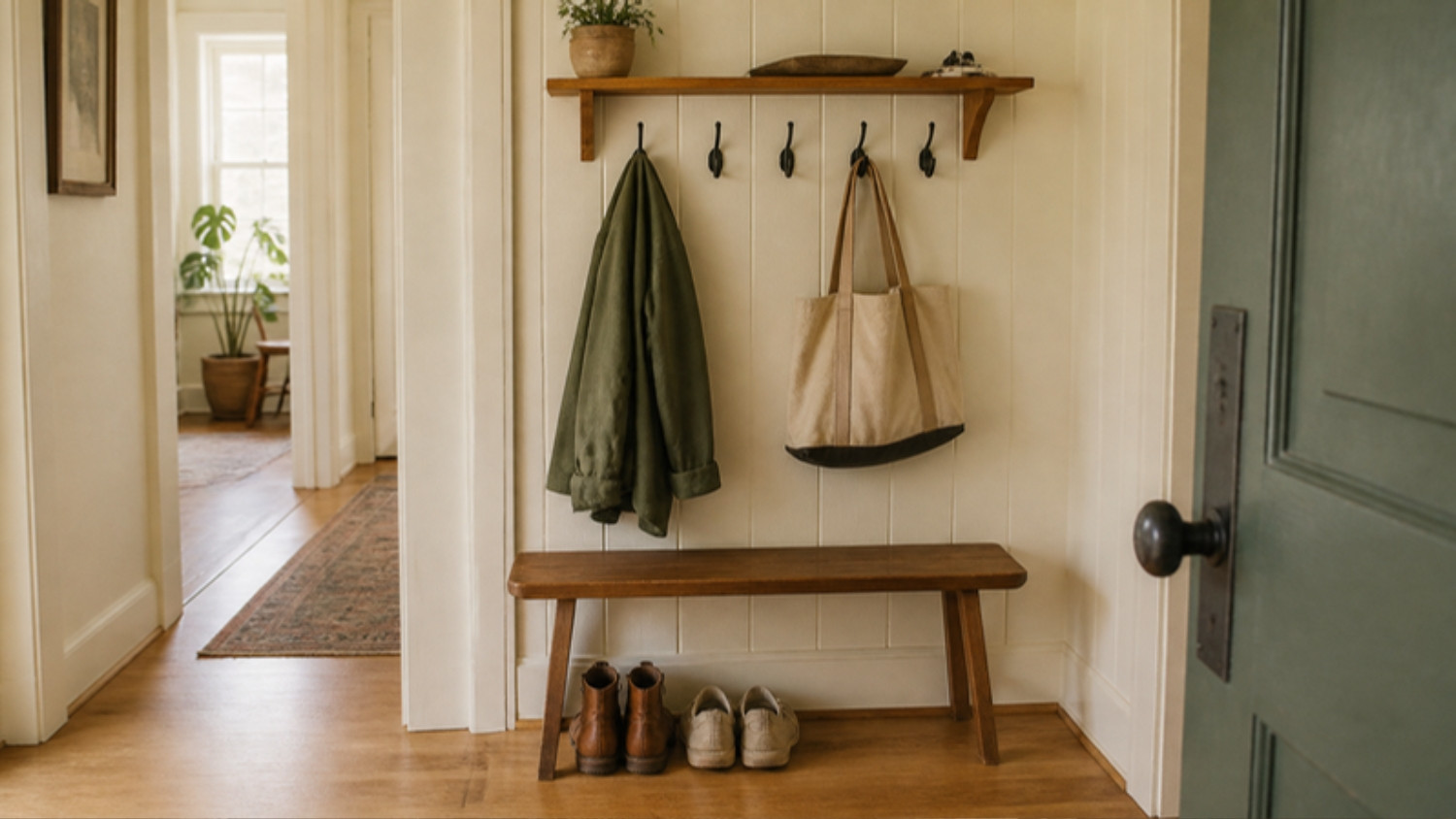
Measure before you shop. Our free Entryway Fit Planner takes the four figures this guide keeps coming back to: how many people use the door, the free wall you actually have, the depth the passage can give up, and what the seller says each hook will carry.
Check it fits before you order
Type in the measurement you took, and the tool tells you whether the thing on screen will go in.
An entryway is usually not a room
Most of the time it is a stretch of wall between the front door and the rest of the house, and people walk through it carrying things. The advice that works in a photograph rarely works at your door, because the photograph has a room and you have a passage.
So the first question is not what you want there. It is what the passage can give up without becoming a squeeze.
Four numbers decide nearly everything you can buy. How many people use the door every day, which tells you whether you are buying one piece or a column each. The free wall you have once the door trim and the light switch are accounted for, not the wall on the plan. The depth the passage can give up. And what the seller publishes per hook. Mudroom storage solutions walks through all four with the figures from real listings.
Entry storage comes in three forms, and your wall and floor choose between them, not your taste. One unit standing on the floor, a run of lockers with a column per person, or hooks and shelves with nothing on the floor at all. If the free wall is narrower than the piece you like, you are down to one narrow unit or to the wall only option. If you have a long run of wall but a narrow floor, go up and stay shallow. Only with both wall and floor does a full hall tree or a run of lockers become possible.
Depth rules a piece out before width does
This is the one habit worth taking from this whole guide. Stand where you walk, have someone hold a tape out from the wall at the depth the listing publishes, and see whether the passage still works. You will know in about three seconds, and no catalog photograph can tell you that.
The catch is that the word depth is not always on the listing. On the two IKEA pages I read for narrow console tables, how far the table sticks out from the wall is published under the label Width, and neither Measurements section carries a row called Depth at all. The same trap shows up on shoe cabinets, which is the subject of entryway shoe storage. Copy the figure, and note the label it sits under.
And in a closet by the door, depth means two different measurements. The closet itself, from the back wall to the inside of the closed door, and the shelf you screw to the wall inside it. The two depths people keep confusing separates them.
Start here
Mudroom storage solutions: start at the wall, not the catalog
The four numbers, where to take each one, and a tool on the page that turns three of them into a plan for your door.
Read the guide →
Free printables
The Entryway Fit Planner
The hooks are the part that gets skipped
Hooks look like the easy part of an entryway and they are the part most worth reading up on, because a hook is the one thing in the room that holds a wet winter coat above head height.
Look for the figure the seller gives per hook, and look for it before you buy. It may be in the specification table, or it may be further down in the questions on the listing. On the RiverRidge Woodbury hall tree, a seller answer in the questions section says: “We recommend not exceeding 5 pounds per hook.” That is a seller answering a buyer rather than a line in the specification table, and it should be read that way. Five pounds is not much. A dry raincoat is fine, a wet winter coat is a different proposition. If the hooks on the piece you like carry no published rating anywhere on the page, ask the seller before you buy rather than finding out in February.
Notice that one piece of furniture can carry very different figures. The same Woodbury page publishes 20 pounds per shelf and cubby, and a bench seat rated at 200 lbs, next to a suggested 5 pounds per hook. Read each figure for the part it describes, and before you sit on a bench to pull your boots off, compare your own weight to the figure that page publishes for the seat.
Anything tall that stands on the floor gets fixed to the wall, whatever it weighs and whoever lives in the house. What a hook, a shelf or a hall tree has to be fixed into is named in the instructions that come with it, and that is the line to read before you drill. Use a detector to find out what is in that wall and mark it before you order. If it finds nothing along the whole run, that is not an answer: take a photo of the wall and ask at the store which anchor yours needs, or have the unit installed. Tip-over is the subject of Anchor It, a public campaign from the Consumer Product Safety Commission, and its pages are where to read what they publish on anchoring a tall unit.
If you cannot drill at all, hooks are out too. A hook carrying winter coats needs the same fixing a bracket does. What is left is low and wide: a bench, a shoe cabinet wider than it is tall, baskets on the floor. You will store less that way, and we would rather say so.
Shoes at the door
Shoes at the door are a different problem from shoes in a bedroom closet. At the door the pile is in the walkway, it is wet half the year, and the cabinet that solves it has to leave you a passage.
That is a depth question again, and the answer is on the listing under a label you have to check. Entryway shoe storage reads what two IKEA cabinets publish about it, and has a tool on the page for your own hallway. For the bedroom version, see closet shoe organizers.
Somewhere to sit, if the depth allows it
A bench by the door is the piece people want most and the one the passage refuses most often, because a seat you can settle into is deeper than a hallway usually gives.
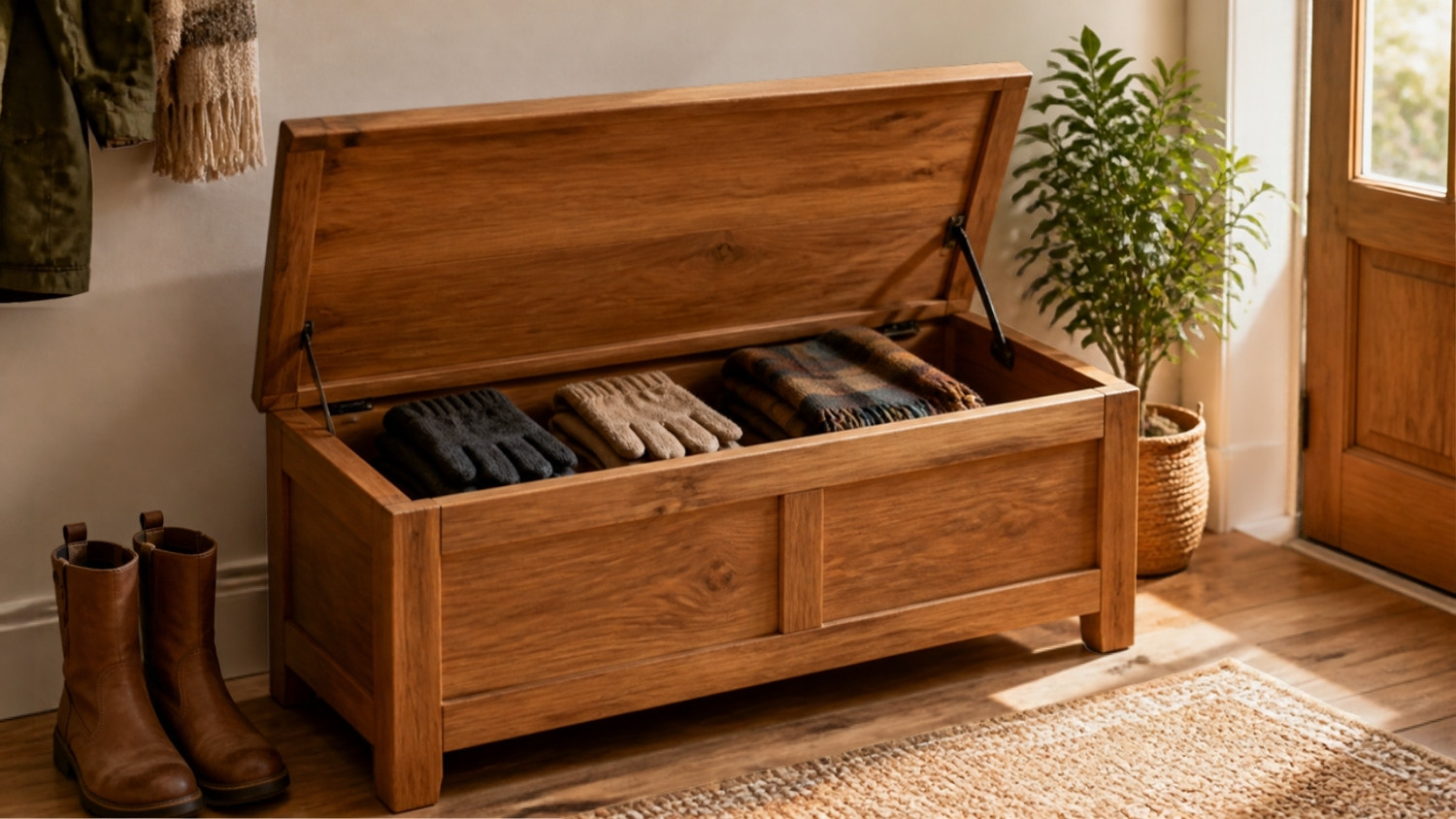
Three figures decide it: the depth it takes, what it is rated to carry, and how high the seat sits. On the two listings read in full for mudroom benches with storage, the seat height was not in the specification table at all. That guide covers where to look for it instead, and what to do when it is nowhere on the page.
A surface for keys and mail
The things that go missing in an entryway are small: keys, mail, sunglasses, the one glove. They need a surface rather than storage, and in a narrow hall the surface has to be shallow enough to walk past.
Narrow console tables are the usual answer, and the guide covers the labeling trap: on the pages read for it, how far the table sticks out is published under Width. Measure your walkway first, then read the row rather than the row’s name.
The closet by the door, if you have one
A coat closet by the entrance is the easiest win in the room, because the storage is already there and usually half used. One rod at one height, and a lot of empty air above and below it.
What goes wrong is the shelf. The entryway closet guide separates the two depths that get confused, the closet’s own and the shelf’s, and gives the one to take yourself. For the bedroom equivalent, reach-in closet systems covers the same geometry at a different scale.
Common entryway organization questions
Where do I start if the entryway is just a hallway?
With the depth, before anything else. Stand where you walk and have someone hold a tape out from the wall at the depth the piece you like publishes. If the passage stops working, nothing goes on the floor and the storage goes up the wall instead. Only once depth passes do width and how many people matter.
One hall tree, or a column each?
Count the people first. One hall tree holds one person’s coat and one person’s shoes well. Two people share it badly, so plan on a second narrow unit rather than one wider piece, if the wall allows it. Past two, you want a column each, which means lockers and usually a different budget.
How much weight can entryway hooks take?
It depends on the piece, and it is something to look up rather than assume. On the RiverRidge Woodbury, the seller answers 5 pounds per hook in the questions section of the listing. Other pieces will publish other figures, or none. If the rating is not published anywhere on the page, ask the seller before you load it with winter coats, and put one heavy item per hook rather than a coat plus a bag plus a scarf on the same one.
Is a mudroom different from an entryway?
In the listings and in the search box, not really. A mudroom is an entryway that expects wet boots, so the pieces sold for it lean towards benches, cubbies and hooks rather than a console table. Everything in this guide applies to both, and the measurements are identical.
Fixes by problem
-
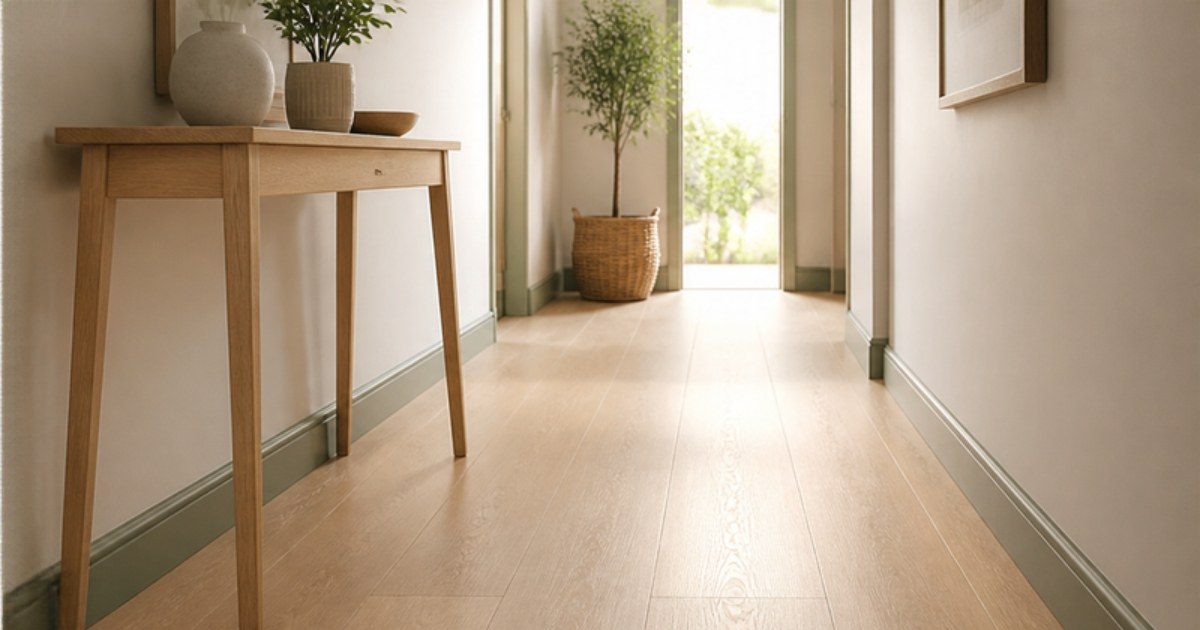
Narrow Console Table: The Row That Is Not Called Depth
Read the fix →
-
-
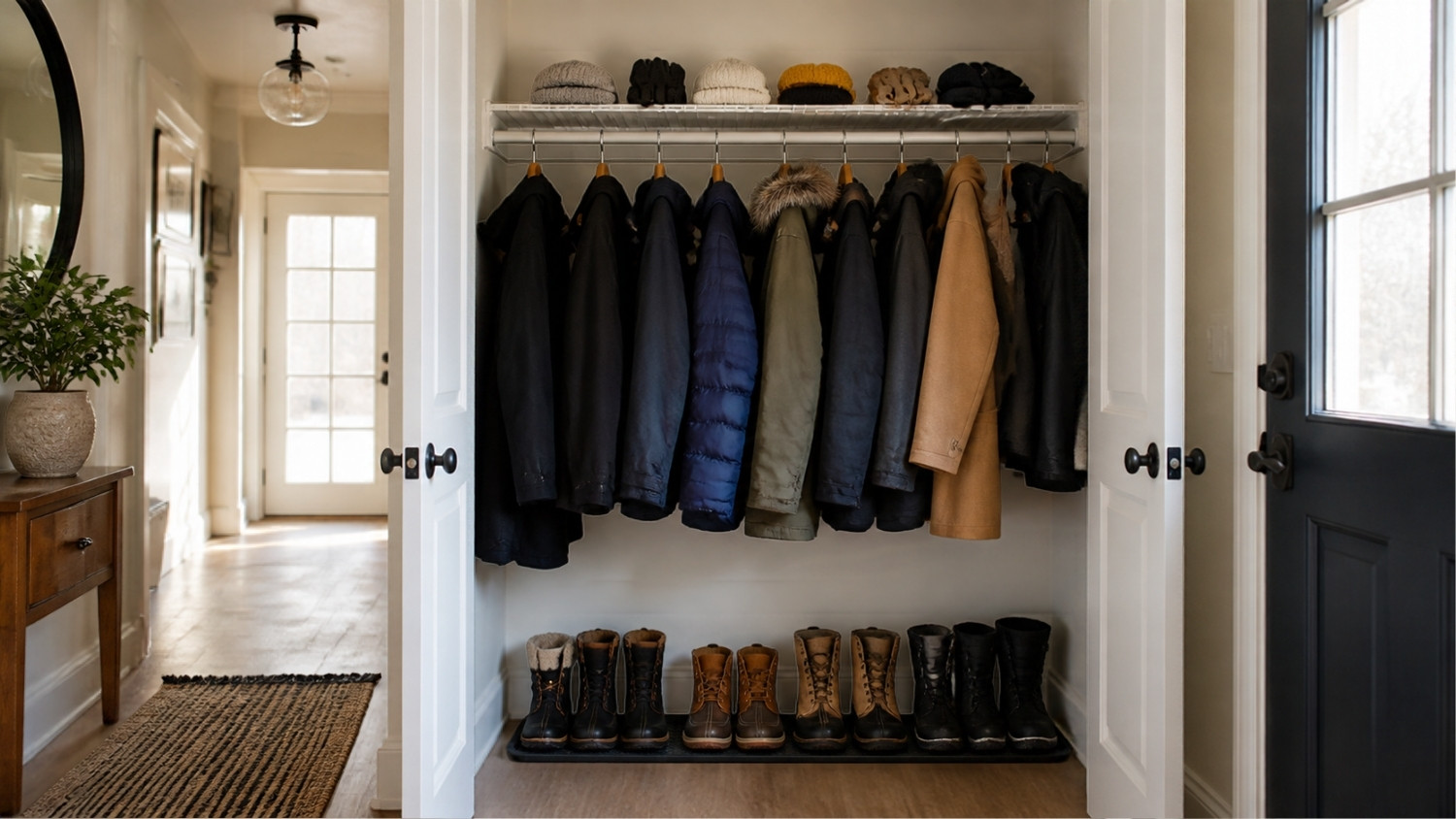
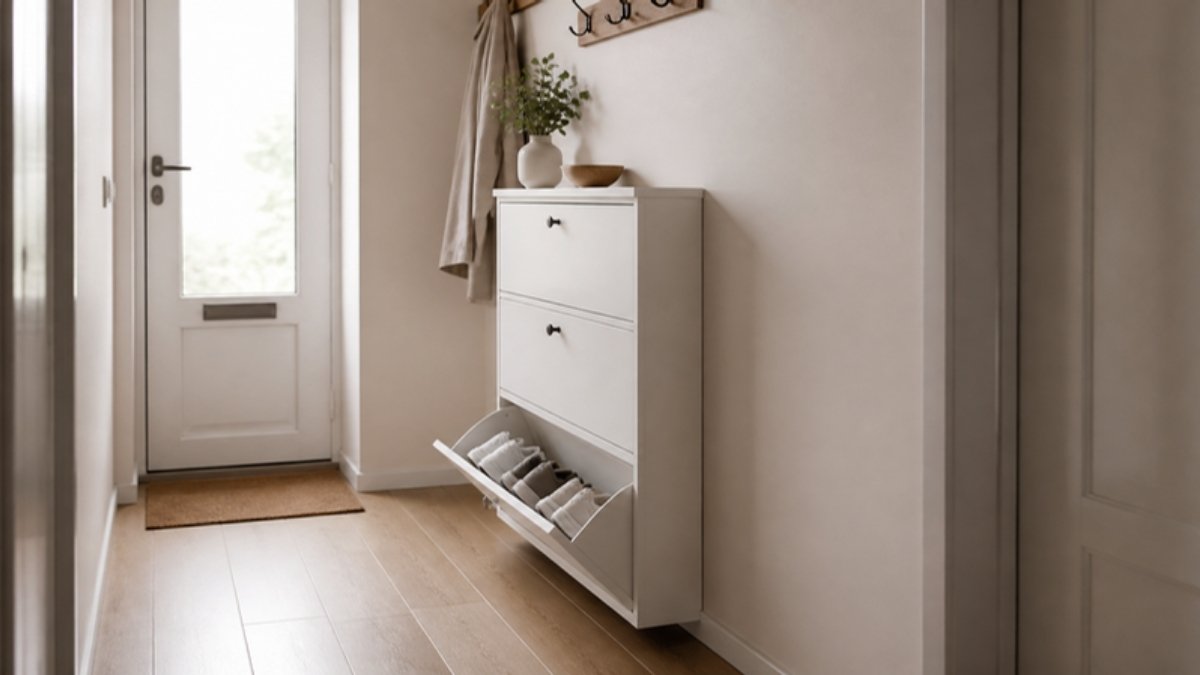
Entryway Closet: The Two Depths People Keep Confusing
Read the fix →
-
-